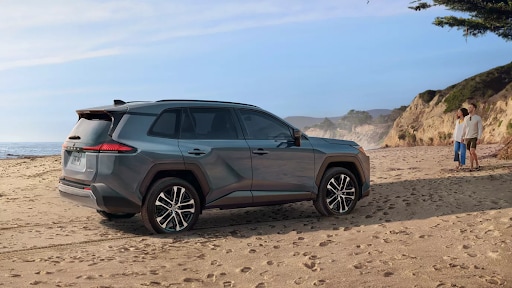
RAV4 Hybrid vs. PHEV: Choosing the Right Electrified SUV for Kirkland
The shift toward electrified vehicles has changed the way local drivers think about their daily commute. With a growing infrastructure for charging and a community-wide focus on sustainability, many are looking at the Toyota RAV4 lineup as their next vehicle. The choice often comes down to two standout options: the RAV4 Hybrid and the RAV4 PHEV (Plug-in Hybrid Electric Vehicle). At Toyota of Kirkland, as part of the O'Brien Auto Group, we see how both models excel in the Pacific Northwest, but the "right" choice depends heavily on your specific driving habits and access to charging.
Is the RAV4 PHEV worth it in the Seattle area?
The RAV4 PHEV, often known as the Prime, offers a unique advantage for those who live and work within our urban corridors. With its ability to drive on pure electricity for a significant range, many drivers can complete their daily errands or commute to work without ever using a drop of gasoline. If you have the ability to charge at home or at your workplace, the PHEV can lead to substantial long-term savings on fuel. For those who frequently deal with the stop-and-go traffic on the major local highways, the smooth, silent electric power is a major luxury.
How does RAV4 Hybrid vs PHEV performance compare in the Pacific Northwest?
Performance is a key factor for those who enjoy weekend escapes to the mountains or the coast. The RAV4 Hybrid provides a seamless blend of gas and electric power, offering impressive torque and a very responsive driving feel. However, the RAV4 PHEV is actually the more powerful of the two, boasting a higher total system horsepower. This translates to quicker acceleration, which can be helpful when merging into fast-moving highway traffic or passing slower vehicles on rural two-lane roads. Both come standard with Electronic On-Demand All-Wheel Drive, providing the grip needed for rainy winters.

What are the benefits of the RAV4 Hybrid for long-distance Washington trips?
While the PHEV excels in short urban bursts, the RAV4 Hybrid is often the preferred choice for those who frequently take long road trips across the region. Because it doesn't need to be plugged in, you never have to worry about finding a charging station in remote areas. The Hybrid system works automatically to optimize efficiency, giving you an incredible total driving range. For residents who want a "set it and forget it" approach to efficiency—simply fueling up at the gas station and letting the car handle the rest—the RAV4 Hybrid is an exceptionally convenient and reliable partner.
Is charging a RAV4 PHEV in Kirkland and Seattle easy?
Our region is one of the most EV-friendly in the country, with an increasing number of public charging stations in parking garages, shopping centers, and even some curbside locations. If you opt for the RAV4 PHEV, you can charge using a standard 120V household outlet overnight, or significantly faster with a 240V Level 2 charger. For those living in apartments or condos without dedicated charging, the RAV4 Hybrid might be the more practical choice, as it relies entirely on its self-charging system and regenerative braking to maintain its battery levels.
Which RAV4 model is better for Pacific Northwest winters?
In the Pacific Northwest, "winter" usually means heavy rain and occasional slush or snow. Both the Hybrid and PHEV are built to handle these conditions with ease. Their AWD systems provide power to the rear wheels electrically when the system detects slippage, ensuring stable handling on wet surfaces. The PHEV does have a slightly heavier battery pack, which can actually help with traction by lowering the vehicle's center of gravity. Furthermore, both models offer available heated seats and steering wheels, which are essential for those chilly morning commutes starting in neighborhoods across the Puget Sound.
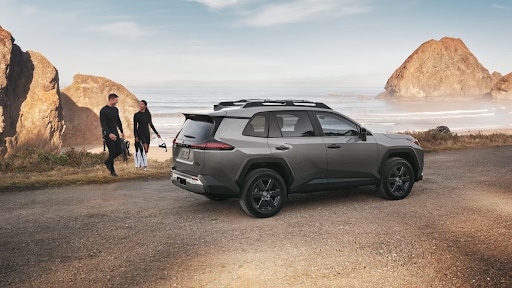
How does cargo space differ between the Hybrid and PHEV?
For many local families, the RAV4 is a primary tool for hauling groceries, sports gear, or camping equipment. Generally, the RAV4 Hybrid and the RAV4 PHEV offer very similar cargo dimensions. However, because of the larger battery pack in the PHEV, there can be a slight difference in the floor height or the availability of a spare tire in some configurations. Most drivers will find that both models easily accommodate a trip to a local nursery for gardening supplies or a full load of gear for a weekend adventure. The versatility of the fold-flat rear seats remains a core strength of both electrified RAV4 variants.
Which model offers better value for local drivers?
Value is a multifaceted calculation. The RAV4 Hybrid typically has a lower initial cost and is incredibly simple to own, requiring no changes to your daily routine. The RAV4 PHEV represents a larger initial investment but offers the potential for near-zero fuel costs for local driving and a more powerful performance profile. For a driver who wants to minimize their carbon footprint and has a short daily commute, the PHEV is a compelling choice. For someone who prioritizes flexibility and long-range convenience for cross-state travel, the Hybrid remains a gold standard in the SUV segment.
The decision between a RAV4 Hybrid and a PHEV comes down to how you use your vehicle in the beautiful but demanding environment of the Pacific Northwest. Both offer the reliability and efficiency that Toyota is known for, wrapped in a versatile SUV package. At Toyota of Kirkland, part of the O'Brien Auto Group, we are committed to helping you navigate these options to find the vehicle that aligns with your lifestyle. Whether you're cruising through the city or exploring the rugged coast, we are here to ensure you drive away in the perfect RAV4 for your needs. For more information, visit us today.
*Penned by AI, polished by humans
Categories:
Toyota of Kirkland