Toyota of Kirkland - Which SUV Offers Better All-Weather Confidence for Redmond, WA Commuters—the 2026 Toyota RAV4 or the 2026 Hyundai Tucson?
When shoppers ask which compact SUV feels more composed on wet morning commutes, steep neighborhood streets, and weekend getaways, the conversation quickly narrows to two smart picks: the 2026 Toyota RAV4 and the 2026 Hyundai Tucson. Both offer confident All-Wheel Drive, well-judged chassis tuning, and the latest safety tech. But the details matter. The RAV4 leans into a standard hybrid powertrain across its lineup, delivering quick low-speed torque that’s especially helpful when merging into fast-moving traffic or pulling away from slick stop signs. Tucson counters with versatile gas, hybrid, and Plug-in Hybrid choices, pairing HTRAC AWD with multiple drive modes to help keep traction steady. Each SUV is modern and polished—so which one should you pick if you want superior all-weather confidence around Redmond, WA?
Start with traction and response. RAV4’s available Electronic On-Demand All-Wheel Drive uses a dedicated rear electric motor to send torque rearward instantly when conditions call for it. That immediacy helps stabilize the vehicle on painted crosswalks, metal bridge grates, or leaf-coated driveways. It also feels seamless because the hybrid system modulates electric and engine power in the background. Tucson’s HTRAC AWD is also a strong performer, with quick distribution between axles and selectable modes for snow and everyday conditions. For many drivers, both systems will feel transparent in the best way. Yet if you want the crisp, low-speed control that electric torque brings to slippery surfaces, the RAV4 setup has a distinct advantage when streets turn shiny, and traction comes at a premium.
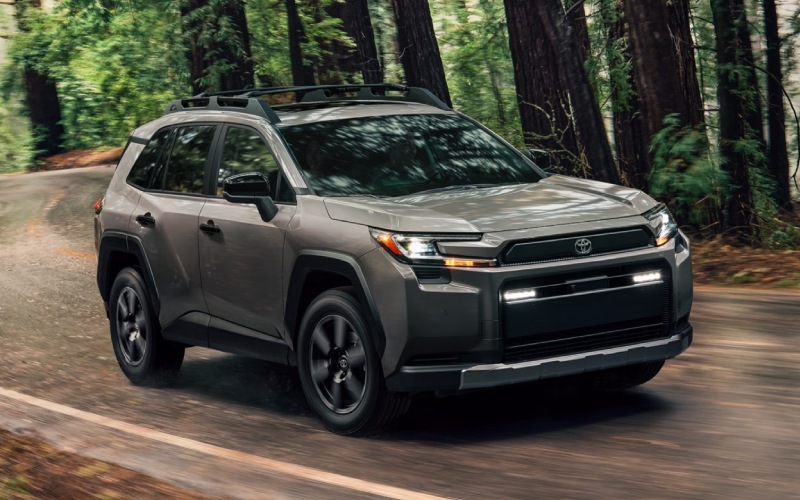
Next, consider capability. If weekend plans include towing small trailers, jet skis, or a utility load for home projects, the RAV4’s available 3,500-lb towing rating creates more headroom for growth. Tucson’s 2,750-lb rating is solid for casual use, but families that cycle through hobbies may appreciate the extra margin. This difference also speaks to broader versatility: choosing the vehicle that eliminates “maybe we can’t” moments tends to pay off years down the road. Add the RAV4 Woodland’s factory-available all-terrain tires to the mix, and you get a little more bite on gravel pullouts and muddy parking strips at parks and trailheads.
Tech—and how it works in bad weather—deserves a spotlight. The 2026 Toyota RAV4 brings Toyota Safety Sense 4.0 standard, plus available Traffic Jam Assist for low-speed controlled-access highways and Advanced Park for hands-free parking assistance. The integrated Drive Recorder function leverages the vehicle’s cameras to capture incidents—comforting when a surprise stop happens on a rain-slick arterial. Tucson’s Hyundai SmartSense suite is also comprehensive, including Forward Collision-Avoidance Assist, Lane Following Assist, and, on select trims, Surround View Monitor and Remote Smart Parking Assist. For pure confidence in daily commuting, the RAV4’s combination of standard active safety and available low-speed driver aids reduces cognitive load at exactly the moments when spray, glare, and congestion ramp up simultaneously.
Visibility and interface matter on gray mornings. RAV4’s available 12.9-in Toyota Audio Multimedia touchscreen sits within easy line of sight and teams with a standard 12.3-in digital gauge cluster to keep key information front and center. Tucson matches with an available panoramic curved display anchored by a 12.3-in touchscreen and an available 12.3-in digital cluster. Both are excellent; some drivers will prefer Toyota’s straightforward menu logic and voice controls, particularly when reducing on-screen taps in the rain reduces distraction. Pair that with available heated front seats and steering wheel in both SUVs, and you get the creature comforts that keep focus on the road.
How do these differences translate into everyday Redmond, WA driving? Picture rolling out before sunrise, the roadway slick with overnight showers. RAV4’s hybrid torque helps you clear intersections decisively, electronic AWD reacts instantly if the rear steps out on a crowned lane, and the suite of assists keeps you centered and aware. Tucson, again, is highly competent in these same scenarios. The differentiator is how consistently easy the RAV4 makes all of this feel, especially if you encounter sudden slowdowns, construction reroutes, or limited visibility. It is the small edge that adds up over thousands of miles.
For buyers who look beyond the spec sheet, ownership experience is the final tie-breaker. Toyota’s long runway with hybrid systems gives many shoppers peace of mind, and the RAV4’s trim strategy—from efficient commuters to adventure-leaning Woodland—helps you pick a version that mirrors how you actually live. Tucson’s wide assortment of gas, hybrid, and PHEV trims is also a plus for personalization. If you prize hybrid as the starting point and want the option to scale up towing and trail-readiness, RAV4 is the simpler, more confident choice.
So, which SUV offers better all-weather confidence for Redmond, WA, commuters? Both earn strong marks, but the RAV4’s standard hybrid powertrain, available electronic AWD with instant rear-axle torque, robust available towing, and advanced driver-assist options create an advantage that’s easy to appreciate on real Pacific Northwest roads. If you’re ready to get a feel for the differences firsthand, Toyota of Kirkland is here to help with side-by-side test drives and trim-by-trim walkthroughs, serving Bellevue, Redmond, and Seattle.
Frequently Asked Questions:
Does the 2026 Toyota RAV4’s standard hybrid help in rain?
Yes. The electric motor’s immediate torque helps the RAV4 pull away smoothly on slick surfaces, while available Electronic On-Demand AWD can route power rearward right when the tires need it most.
How does Hyundai Tucson’s AWD compare in bad weather?
HTRAC AWD is well-tuned and confidence-inspiring. It distributes torque between axles quickly and offers Snow mode. For drivers who want electric-motor torque to assist low-speed traction, the RAV4’s hybrid AWD setup provides a distinct benefit.
Which is better for towing bikes, small campers, or a utility trailer?
RAV4’s available 3,500-lb rating offers more headroom if you plan to tow beyond the occasional light load. Tucson’s 2,750-lb rating is good, but the extra capacity can matter for growing hobbies or a wider range of gear.
Do both SUVs offer advanced parking assistance?
RAV4 offers available Advanced Park for in-vehicle hands-free parking, while Tucson offers available Remote Smart Parking Assist on select trims. Both reduce parking stress, but the Toyota feature handles steering and braking from inside the cabin.
Are there meaningful tech differences for daily commuting?
Both SUVs feature comprehensive safety suites. RAV4’s Toyota Safety Sense 4.0 is standard across the lineup, and available Traffic Jam Assist and Drive Recorder further elevate confidence in heavy traffic and low-visibility moments.
Request more 2026 Toyota RAV4 information
Categories:
Toyota RAV4