Camry vs. Sonata – Which midsize sedan has the better hybrid system for daily commuters around Seattle, WA?
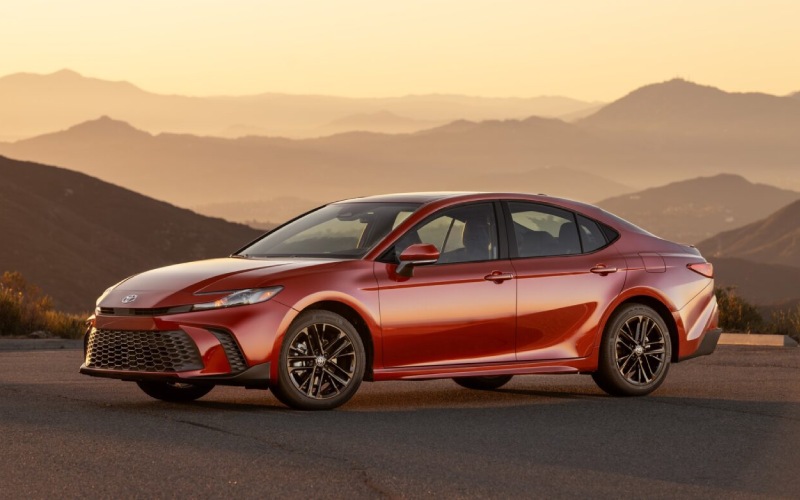
Toyota of Kirkland - Camry vs. Sonata – Which midsize sedan has the better hybrid system for daily commuters around Seattle, WA?
When drivers compare hybrid sedans for daily commuting, the conversation often narrows to two frontrunners: the 2026 Toyota Camry and the 2026 Hyundai Sonata. If your routes circle downtown, span the I-5 corridor, or include hills and quick merges around Seattle, WA, you need a hybrid system that’s consistently smooth, confident in traffic, and composed in lousy conditions. Here’s how the Camry Hybrid’s all-hybrid lineup and available Electronic On-Demand All-Wheel Drive stack up against the Sonata Hybrid’s efficient, front-drive approach.
Toyota built the current-generation Camry Hybrid around seamless electric assistance and everyday drivability. The hybrid system’s torque fills in the low-speed gaps where traditional engines can feel hesitant, and the e-CVT keeps the response calm and predictable. The Sonata Hybrid is no slouch: it’s efficient, offers helpful features like e-Dynamic Drive for cornering poise, and pairs its hybrid power with a tidy cabin and advanced driver aids. But for commuters who want a hybrid that’s ready for rain-slick mornings and last-second merges, the Camry Hybrid’s personality is simply more versatile — and its available hybrid AWD is a practical, confidence-boosting differentiator.
Consider how both systems handle your busiest moments. In stop-and-go, Toyota’s tuning favors buttery launches and soft transitions between power sources. That makes creeping along the viaduct or working through construction zones feel less tedious. Hyundai’s system is refined too, but Toyota’s consistent calm at low speeds stands out, especially when you’re juggling navigation, calls, and lane changes. When the road opens, Camry Hybrid delivers strong, linear acceleration that feels intuitive. Sonata Hybrid answers firmly but remains front-drive only — fine for many days, less reassuring when grip is compromised, or hills get slick.
Confidence is also about what you see and how your tech helps. Camry’s available 12.3-in. digital gauge cluster and available Head-Up Display can keep your speed, turn-by-turn directions, and safety alerts all in view, while “Hey Toyota” Intelligent Assistant makes quick adjustments simple without digging through menus. Sonata’s panoramic curved display looks fantastic and its interface is clean; the available Bose premium audio adds welcome warmth. Toyota counters with an available 9-speaker JBL® Premium Audio system that’s crisp and balanced, and wireless Apple CarPlay® and Android Auto™ come standard on both vehicles. Live with each for a week, and you’ll notice the Camry’s driver-focused layout and voice access can lower the mental load on crowded commutes.
Safety tech checks a crucial box for city driving. Toyota Safety Sense™ 3.0 is standard on all Camry models, with features such as Pre-Collision System with Pedestrian Detection, Lane Tracing Assist, and Dynamic Radar Cruise Control designed to reduce stress and support smoother flow in dense traffic. Hyundai SmartSense equips the Sonata Hybrid robustly as well, adding tools like Forward Collision-Avoidance Assist and Smart Cruise Control with Stop & Go. The balance here favors Toyota’s thoughtful integration and heads-up visibility — details commuters appreciate when reacting to the rhythm of lights, buses, and lane shifts.
Why does hybrid AWD matter for Seattle-area drivers? It’s about predictable traction and composed handling when conditions change minute to minute. Toyota’s Electronic On-Demand All-Wheel Drive can route torque to the rear wheels if front slip is detected — handy when paint-striped crosswalks are damp or when you’re pulling away uphill after a light. Sonata Hybrid is front-drive only, so even with a strong stability program, you won’t have that same rear-axle assistance when you’d most like it.
- Hybrid system feel: Camry’s smooth electric torque and e-CVT tuning deliver consistently calm takeoffs and quick, linear response in gaps; Sonata Hybrid is refined, but FWD-only limits traction options.
- All-weather versatility: Camry Hybrid’s available Electronic On-Demand AWD adds confidence for slick city grids and steep neighborhood streets; Sonata Hybrid remains FWD only.
- Driver-centric tech: Camry’s available Head-Up Display, 12.3-in. digital cluster, and “Hey Toyota” voice controls keep focus forward; Sonata’s panoramic curved display is elegant but lacks HUD.
Shoppers also ask about day-to-day comfort and long-haul ease. Both cabins offer thoughtfully padded touch points and supportive seats, but Toyota’s grades make it easy to choose your vibe, from the sporty feel of SofTex®- and fabric-trimmed seats on performance-oriented models to the refined comfort of available leather- and microfiber-trimmed heated seating. Pair that with available aluminum sport pedals on Nightshade for extra grip and a bit of flair. Sonata Hybrid Limited counters with leather seating surfaces and upscale trim, so preferences may come down to tactile feel and the driving personality each cabin presents.
For many, the hybrid choice is really about confidence and consistency. If you want a midsize hybrid sedan that reads your commute and responds seamlessly — especially when conditions are mixed — the Camry Hybrid’s all-hybrid lineup and available hybrid AWD create a compelling advantage. That’s the kind of everyday polish that keeps you fresher at the end of a long day.
Ready to compare trims side by side and map the features that matter most to your drive? Toyota of Kirkland can help you narrow the choices quickly and take a focused route to the right build.
Frequently Asked Questions:
Does the Camry Hybrid offer all-wheel drive?
Yes. The Camry Hybrid offers available Electronic On-Demand All-Wheel Drive, which can send torque to the rear wheels when extra traction is needed.
Is the Sonata Hybrid available with all-wheel drive?
No. Sonata Hybrid is front-wheel drive only. Hyundai’s HTRAC All Wheel Drive is offered on select gas trims, not the hybrid.
Which hybrid feels smoother in stop-and-go traffic?
Both are refined, but the Camry Hybrid’s electric assist and e-CVT calibration make low-speed transitions especially smooth and predictable.
Which sedan offers a Head-Up Display?
The Camry offers an available Head-Up Display. The Sonata’s panoramic curved display is impressive, but it does not add a HUD.
Do both sedans support wireless smartphone integration?
Yes. Both Camry and Sonata support wireless Apple CarPlay® and Android Auto™ for quick, cable-free connections.
Our team, serving Bellevue, Redmond, and Seattle, is here to help you test the features that affect your day-to-day the most — from traction and steering feedback to visibility and voice controls — and to get you into the Camry Hybrid that fits your commute just right.
Request more 2026 Toyota Camry information
Categories:
Toyota Camry