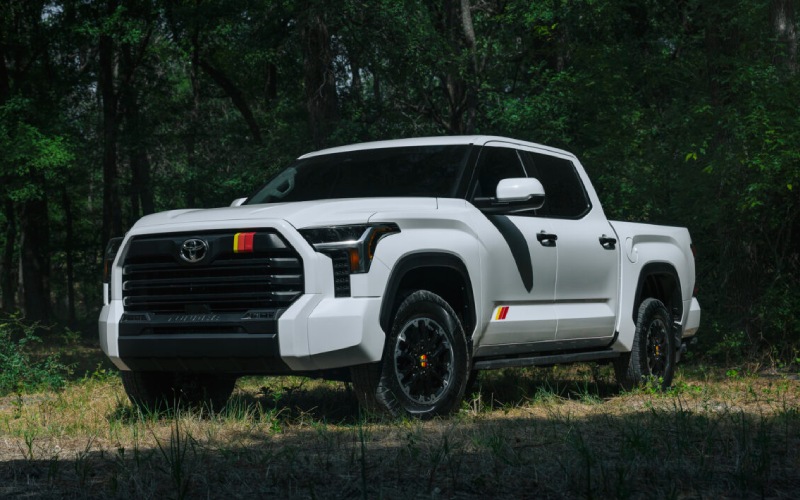
Toyota of Kirkland - Which truck tows better for rainy boat ramps around Seattle, WA – 2026 Toyota Tundra or 2026 Ford F-150?
When shoppers ask which full-size truck makes towing easier on slick, urban-adjacent boat ramps and tight marina lots, we focus on real-world control, camera coverage, and torque delivery. Both Tundra and Ford F-150® can tow serious weight when properly configured, but the way each truck helps you manage traction, low-speed maneuvering, and hitching can make the difference between a relaxed launch and a white-knuckle experience on a rainy Seattle Saturday.
Below, we break down the core systems that matter most to boaters and weekend haulers around the city. Our goal is to give you a clear, practical answer so you can match the right truck and features to your trailer, your driveway, and your favorite launch on Lake Washington.
The short answer for Seattle towing
If you prioritize confident low-speed control and clear visibility in tight spaces, the Tundra’s available i-FORCE MAX hybrid torque, Panoramic View Monitor with high-clarity camera angles, and Trailer Backup Guide with Straight Path Assist deliver a stress-reducing package for urban ramps and crowded parking. The F-150 counters with a broad engine lineup, impressive maximum tow ratings, and helpful trailering tech of its own. For many Seattle-area owners towing boats in the 5,000-8,500 lb range, the Tundra’s immediate hybrid torque and camera-guided backing provide the most tangible, everyday advantages.
Power and torque where you need it
The Tundra’s i-FORCE MAX hybrid V6 pairs a twin-turbo engine with an electric motor to deliver strong, immediate torque. That instant response helps you ease up a ramp without excessive throttle or wheelspin—especially helpful on algae-slick concrete or when the tide leaves sand on the surface. The Ford F-150’s available PowerBoost hybrid is also quick and capable, and Ford offers multiple gas engines to fine-tune your setup. Still, Tundra’s hybrid torque figure gives it a strong edge in gentle, precise throttle control at single-digit speeds.
See what your trailer is doing
Hitching and reversing often cause the most stress at marinas where pedestrians, curbs, and light poles crowd your path. Tundra’s Panoramic View Monitor and Trailer Backup Guide with Straight Path Assist combine camera clarity with guiding lines that track trailer movement. That means fewer corrections and a smoother arc to the water. The F-150 offers 360-degree camera coverage and its own trailer backup assist system, which are valuable, but many drivers find Tundra’s interface and overlays particularly intuitive at night or in heavy rain.
Quick comparison points you can use on your next test drive:
- Low-speed control: Does the truck creep smoothly when feathering the throttle on a wet incline with a load attached?
- Camera clarity at night: Are the guidelines bright and easy to track when backing by headlamp and dock light?
- Trailer tracking aids: Do steering guides update quickly as you countersteer to avoid a curb or dock rail?
- Ride stability: Does the rear suspension feel settled when a tongue-heavy trailer shifts weight on uneven pavement?
Ride and suspension confidence
Tundra’s standard multi-link coil-spring rear suspension is tuned to reduce hop and oscillation, helping the truck stay composed with a boat on the hitch. You can also add an available Rear Height Control Air Suspension to help maintain a level stance with varying tongue weights. The F-150’s wide range of rear-suspension setups includes specialized off-road configurations, and its max-payload ratings are strong. For the specific case of slick ramps and slow-speed maneuvering, the Tundra’s calm, planted feel is a real advantage for newer towers and seasoned boaters alike.
Practical durability for wet gear
Seattle’s weather means wet gear and frequent cleanup. Tundra’s standard aluminum-reinforced composite bed resists dents and corrosion, so you can load anchors, chains, or a rolling jack without worrying about scuffs turning into rust later. The F-150’s bed and accessory system are highly versatile, but if your routine includes salted equipment or abrasive cargo, composite construction is a quiet, long-term benefit.
Everyday drivability matters
After launch days, you still have a week’s worth of commuting. The Tundra’s available 14-in. touchscreen, clear menus, and simple camera activation speed up your daily routine, while the available 12.3-in. digital cluster keeps trailering data front and center. The F-150’s tech suite is also comprehensive, and certain trims add advanced driver-assist options for highway travel. Around the city, though, quick-access camera views and straightforward trailer tools pay off more often than you might expect.
How to choose the right setup
Use this simple framework to match a truck to your trailer and driveway:
- Verify your trailer’s loaded weight and tongue weight, and compare to multiple truck configurations.
- Test-drive with a simulated load or your actual trailer to feel low-speed throttle and brake response.
- Back into a tight lot at dusk to compare camera clarity and trailer guides head-to-head.
- Check bed features and materials for the way you load, store, and rinse gear.
Frequently Asked Questions:
Can a hybrid truck handle frequent towing in hilly Seattle neighborhoods?
Yes. The Tundra’s hybrid system is engineered for sustained torque delivery, not just brief boosts. Its electric motor assists at low rpm where you need it most for ramps and steep driveways, while the 10-speed automatic helps keep the engine in its power band on long grades.
Is camera tech still useful for experienced towers?
Absolutely. Even expert drivers benefit from high-clarity, multi-angle views in crowded marinas. Clear overlays reduce the need for spotters and help you avoid curbs, posts, or other trailers when space is tight.
What about bed durability after years of wet, abrasive cargo?
Composite construction is a meaningful advantage if you frequently haul anchors, chains, or river rock. It resists dents and corrosion better than traditional materials, which reduces long-term maintenance.
When you compare the trucks from the perspective of rainy ramps, tight lots, and daily drivability, the Tundra’s torque-rich hybrid, settled rear suspension, and highly readable camera-trailer tools make towing feel easier and more predictable. If you want to build a configuration that fits your boat and launch routine, Toyota of Kirkland can help you test the exact features that matter in your world, serving Bellevue, Redmond, and Seattle with transparent guidance and hands-on demos.
Request more 2026 Toyota Tundra information
Categories:
Toyota Tundra