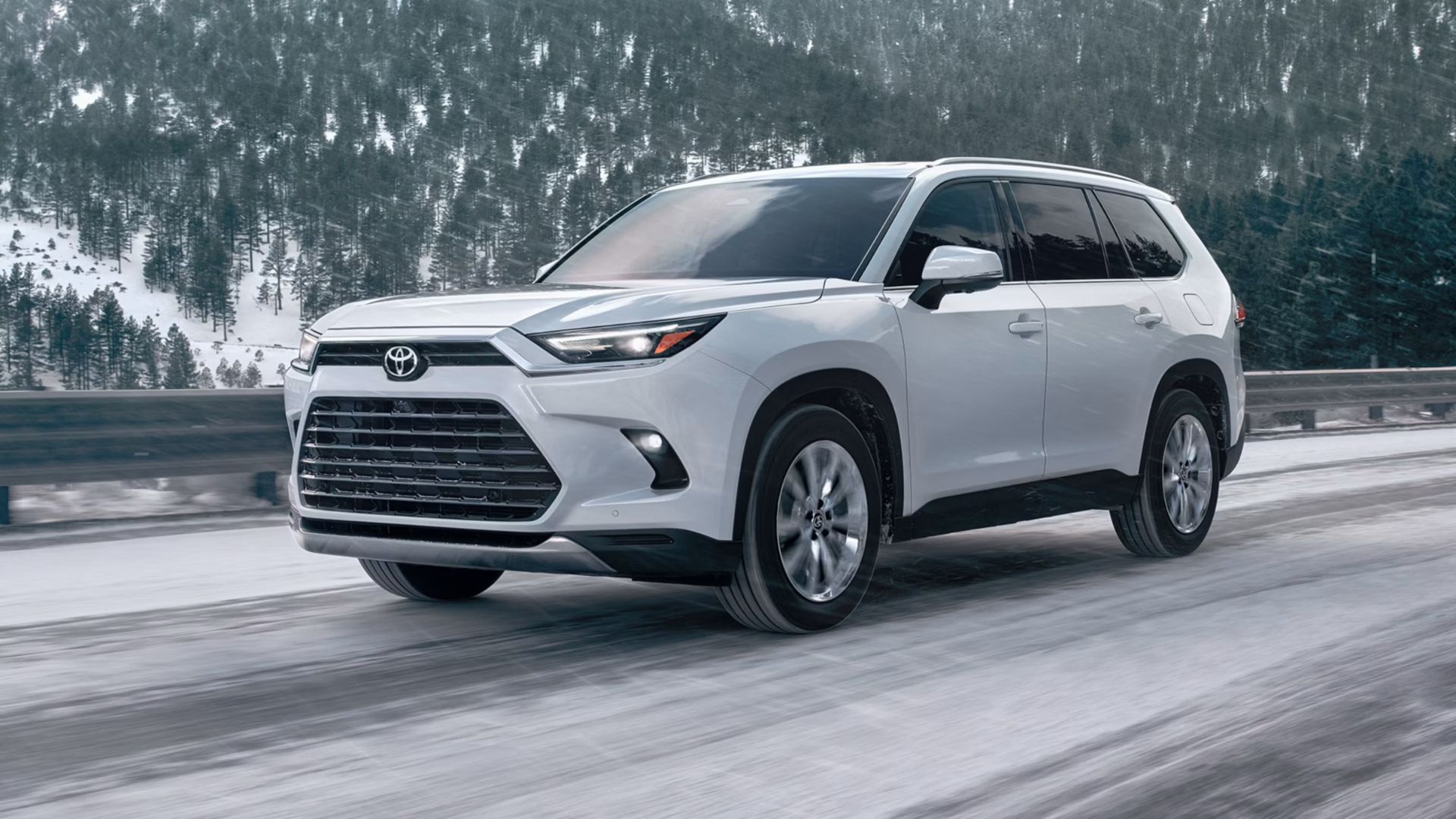
Thanksgiving travel gets easier when everyone has a comfortable seat and there’s still room behind the third row for luggage. At Toyota of Kirkland, part of our parent dealer group, O'Brien Auto Group, we help families explore how the Toyota Grand Highlander fits those needs. Whether you’re leaving Kirkland for a long weekend or picking up relatives before dinner, its seven- or eight-passenger layouts, flexible cargo area, and three powertrain choices give you practical options.
Key Takeaways
- Seven- and eight-passenger configurations let families choose captain’s chairs or a second-row bench.
- With every seat in use, the rear cargo area provides 20.6 cubic feet of space.
- Third-row passengers have 33.5 inches of legroom and 37.2 inches of headroom.
- Gas, Hybrid, and Hybrid MAX models offer different balances of efficiency and performance.
Seating for Seven or Eight People
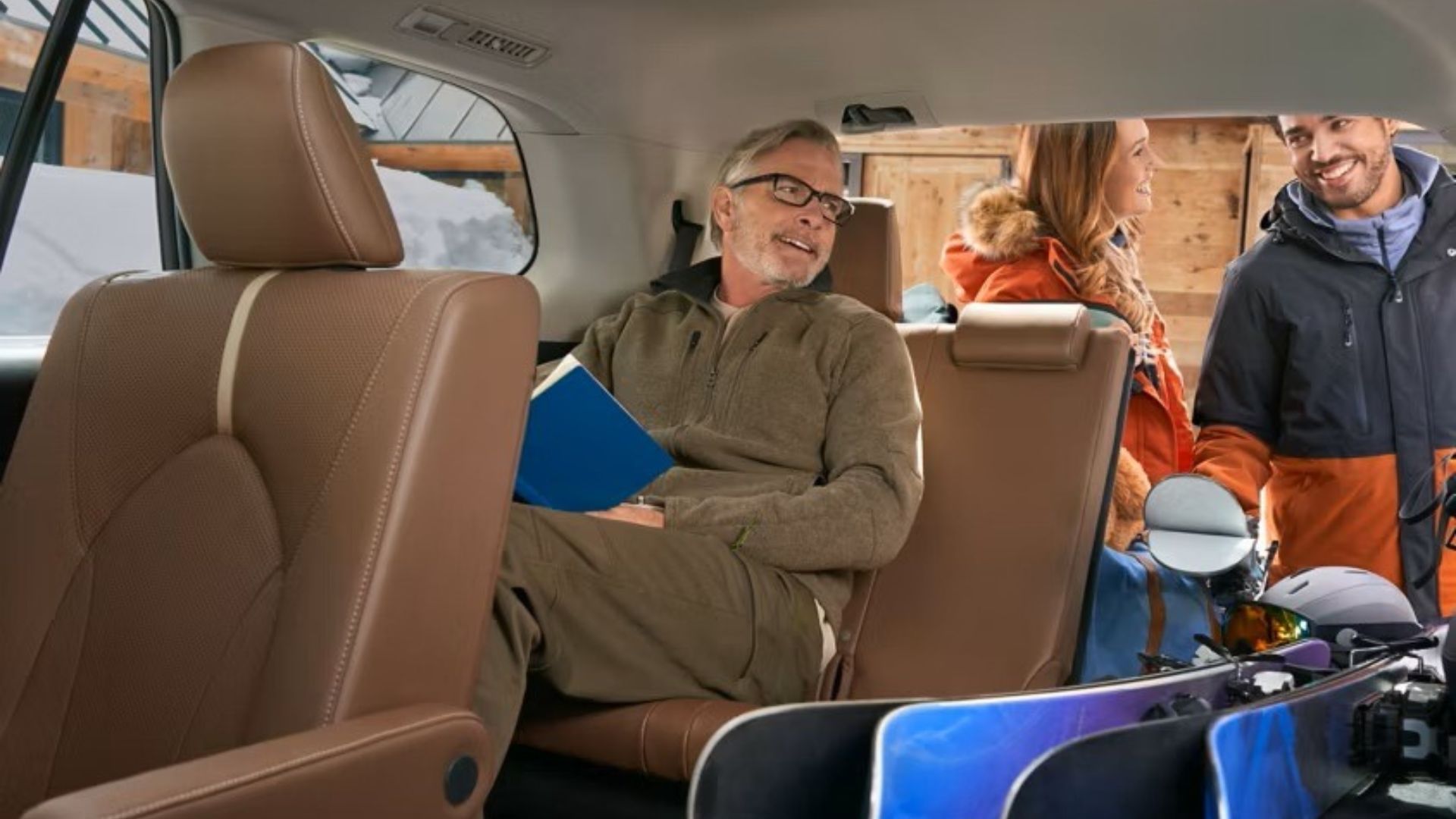
In the Grand Highlander, you can seat seven people with second-row captain’s chairs or eight with a second-row bench. Both arrangements have a three-person third row, so the difference comes down to whether you want two individual seats or three seating positions in the middle.
The LE comes with an eight-passenger layout. The XLE offers captain’s chairs or an available bench, making it a useful starting point for families deciding between the two arrangements. Captain’s chairs give second-row passengers individual seating, while the bench adds a place for another relative.
For a family picking up grandparents in Bellevue before leaving town, that eighth seat could be useful. If seven seats cover your usual plans, captain’s chairs may be the layout you prefer for both the holiday drive and everyday trips around Kirkland.
How Much Luggage Fits With Every Seat Occupied?
You have 20.6 cubic feet of cargo space behind the third row, even when every passenger seat is occupied. That is the relevant measurement for a Thanksgiving trip with all three rows in use, rather than the maximum cargo figure advertised with the rear seats folded.
Folding the third row expands the cargo area to 57.9 cubic feet. With the second and third rows folded, capacity reaches 97.5 cubic feet. Those larger configurations suit trips with fewer passengers, but they require giving up the seating positions you fold down.
The third row has a 60/40 split, so you can fold one section while keeping the other available for passengers. That flexibility helps when your Thanksgiving plans call for more luggage without needing every seat.
Choosing captain’s chairs instead of a bench changes passenger capacity, not the published 20.6-cubic-foot cargo area behind the third row. The larger change in luggage room happens when you fold seats. If your family needs all seven or eight places, plan around the space behind the upright third row.
Passenger Room Across All Three Rows
Front-row passengers have 41.7 inches of legroom, second-row passengers have 39.5 inches, and third-row passengers have 33.5 inches. Those figures show how space changes as you move toward the back, while the third row also provides 37.2 inches of headroom.
The second row slides, allowing you to share available legroom between the middle and rear passengers. That adjustment is useful when an adult takes a third-row seat for a longer drive instead of a short ride across town.
Three-zone automatic climate control comes standard, with vents for the second and third rows. Rear passengers have their own airflow rather than relying entirely on the front vents. Standard acoustic glass at the windshield and front side windows also helps reduce outside noise.
For added comfort, the Limited has heated second-row seats, while the Platinum adds second-row ventilation. Those differences give you a concrete reason to compare trims if relatives regularly ride in the middle row.
Getting Into the Third Row
Wide-opening rear doors, folding second-row seats, and third-row hand supports help passengers get into the back. The second-row layout also changes the route passengers use, so it is worth trying both arrangements when you compare vehicles.
Captain’s chairs provide space between the individual seats, while a bench places a seating position in the middle. The bench’s split-folding design lets you move a section for rear access. An installed child restraint affects which seat can move, so follow the vehicle and child-restraint instructions before operating the seat.
You can browse our current Grand Highlander selection at Toyota of Kirkland to compare vehicles equipped with captain’s chairs and a bench. That is a straightforward way to narrow your choices before deciding which trim to drive.
Gas, Hybrid, and Hybrid MAX Fuel Economy
The Grand Highlander Hybrid is the efficiency-focused choice, while the gas model and Hybrid MAX offer different performance priorities. For a long Thanksgiving drive, compare fuel-economy figures for the specific trim and drivetrain you are considering.
For the 2027 lineup, Toyota lists manufacturer-estimated combined fuel economy of 36 mpg for the Hybrid XLE with front-wheel drive and 34 mpg for the Hybrid XLE with all-wheel drive. The gas XLE is estimated at 24 mpg combined with front-wheel drive or 23 mpg combined with all-wheel drive.
Hybrid MAX, Toyota’s turbocharged hybrid powertrain, produces 362 total system horsepower. The Hybrid MAX Platinum has a manufacturer-estimated combined rating of 27 mpg, positioning it as the stronger-performance choice rather than the lineup’s highest-mileage option.
Combined ratings account for city and highway driving, which makes them useful for comparing vehicles when your route includes both highway miles and holiday traffic. They are not highway-only estimates, and actual fuel economy varies with conditions, vehicle load, and driving habits.
Technology for the Holiday Drive
A standard 12.3-inch touchscreen and seven USB-C ports help keep navigation, audio, and device charging organized. Toyota Audio Multimedia, Toyota’s infotainment system, supports wireless Apple CarPlay and Android Auto, giving compatible phones a familiar connection to the screen.
Toyota Safety Sense 3.0, Toyota’s suite of driver-assistance technologies, also comes standard. It includes Full-Speed Range Dynamic Radar Cruise Control, which can adjust vehicle speed to help maintain a preset following distance under appropriate conditions. The driver remains responsible for operating the vehicle.
Whether your trip starts in Kirkland or includes a pickup in Redmond, those features support the same practical goal: keeping the cabin convenient while you concentrate on the drive.
Test Drive a Grand Highlander in Kirkland
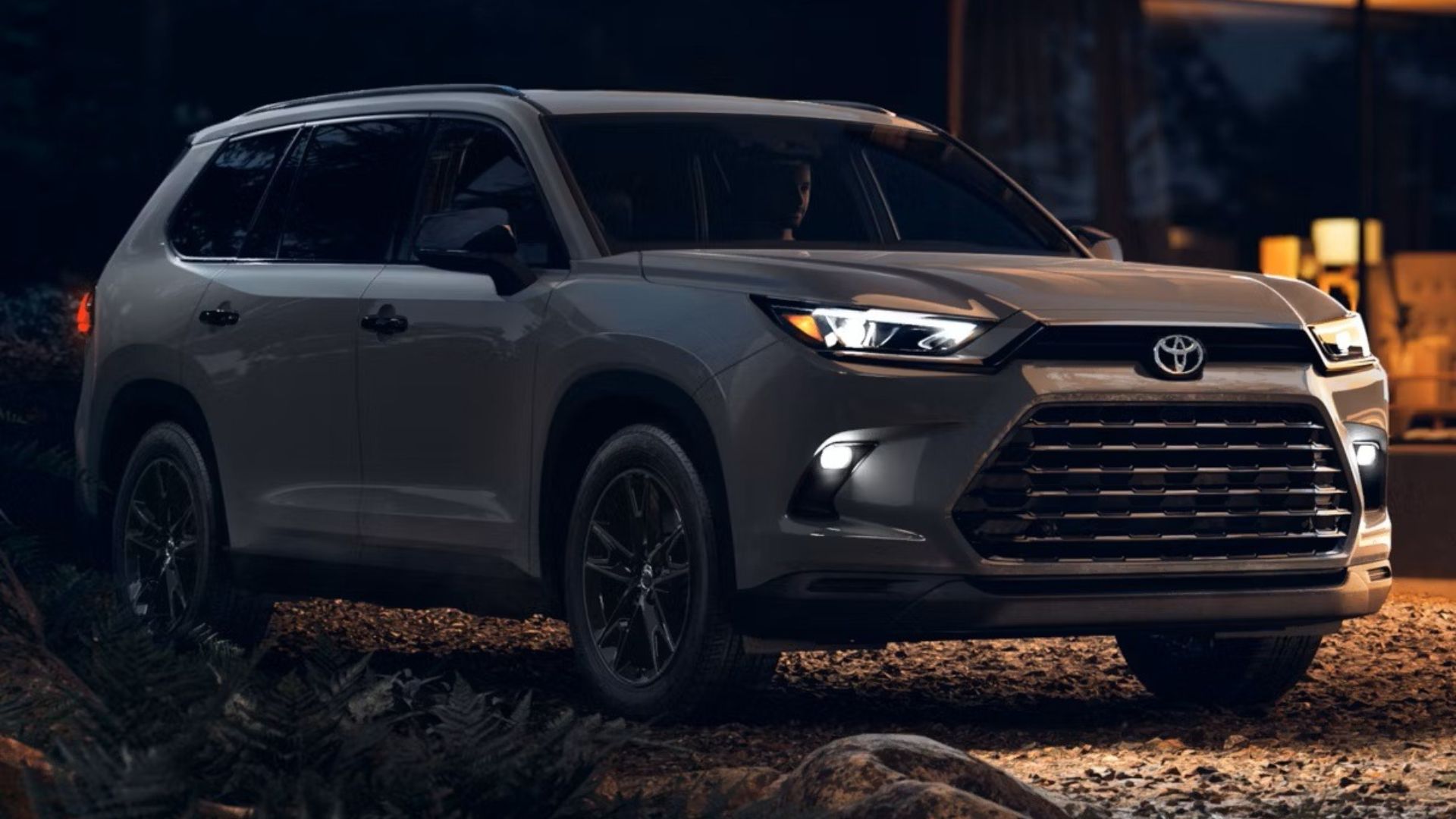
Schedule a test drive at Toyota of Kirkland, part of the O'Brien Auto Group, to explore an available Grand Highlander. We can walk you through our current selection and help you choose between seating layouts, trims, and powertrains for Thanksgiving travel and the trips that follow.
*Penned by AI, polished by humans
Categories:
Toyota of Kirkland