
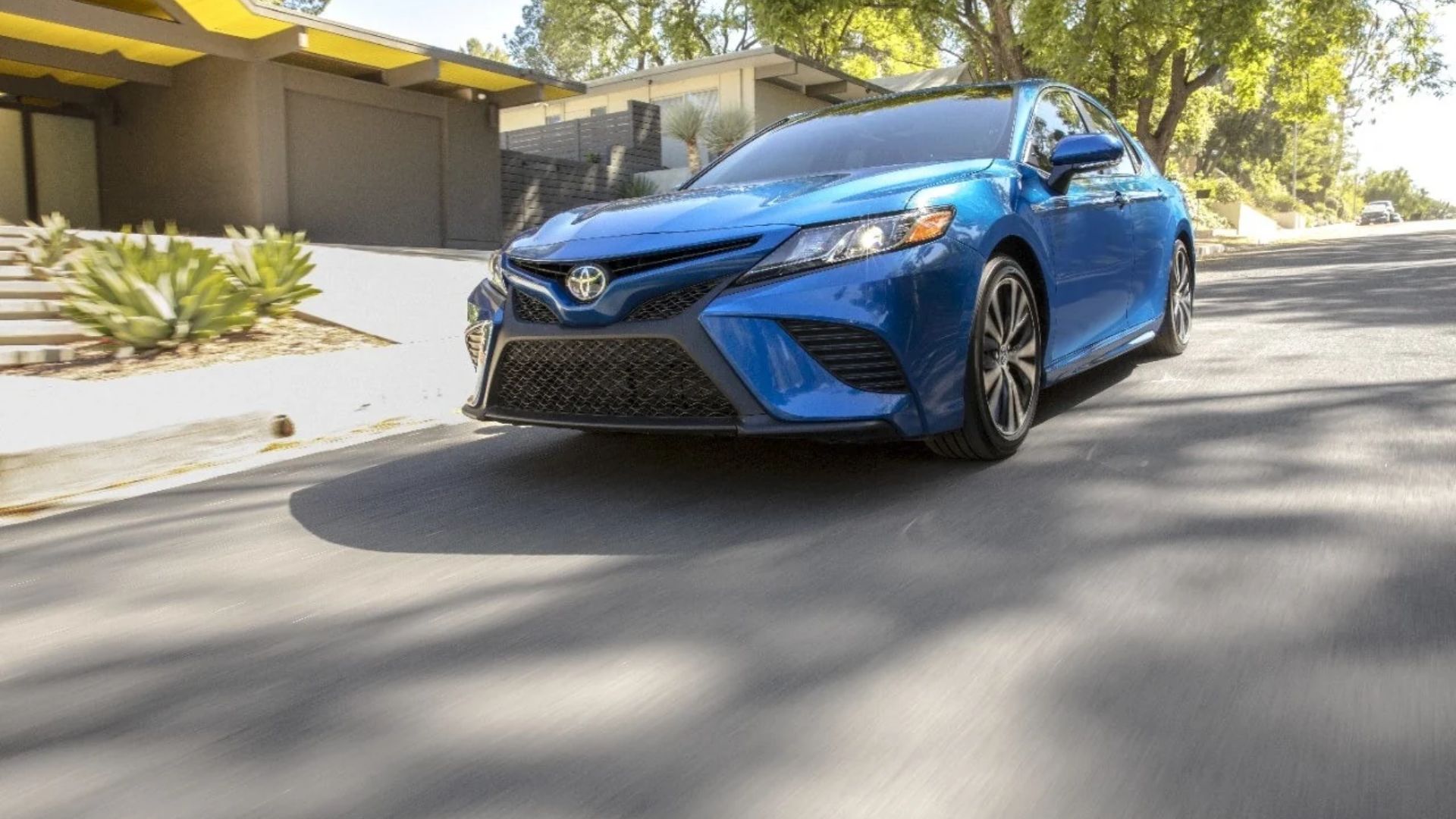
Choosing between two respected midsize sedans can feel like a close call. The Toyota Camry and Honda Accord both bring comfort, technology, practical space, and commuter-friendly manners to the road. At Toyota of Kirkland, part of the O'Brien Auto Group, we know drivers across Kirkland, Bellevue, Redmond, Bothell, Woodinville, and the Seattle Eastside need a sedan that feels confident through rainy commutes, busy freeway traffic, and weekend plans. For many of those drivers, the Toyota Camry is the more versatile fit.
Key Takeaways
- The Toyota Camry includes a hybrid powertrain across its lineup.
- Available electronic all-wheel drive helps the Camry suit changing Pacific Northwest conditions.
- The Honda Accord offers generous cabin and trunk space, while the Camry delivers strong everyday comfort and flexible trim options.
- Both sedans offer driver-assistance technology, while Toyota Safety Sense 3.0 is standard on every Camry.
- A Camry test drive can help shoppers decide which trim, drivetrain, and feature combination fits their routine.
How do the Toyota Camry and Honda Accord compare as midsize sedans?
The Toyota Camry vs Honda Accord comparison matters because both sedans have long been trusted choices for commuters, families, and drivers who want a comfortable alternative to an SUV. Each delivers four doors, a practical trunk, modern technology, and road-trip-ready refinement. The important differences appear when you look closer at efficiency, drivetrain options, available features, and how each vehicle fits life in the Pacific Northwest.
The Toyota Camry stands apart by making hybrid performance standard. Every new Camry uses a hybrid powertrain, so shoppers do not have to step up to a special efficiency-focused model to enjoy electrified driving. Front-wheel-drive Camry models produce 225 combined horsepower, while available electronic all-wheel-drive versions produce 232 combined horsepower. That gives the Camry responsive acceleration for merging onto I-405, moving through Seattle traffic, or passing slower vehicles on a weekend drive.
The Honda Accord gives buyers a choice between a conventional gas-powered model and available hybrid trims. It remains a polished sedan with a comfortable ride and an easygoing character. Still, the Camry’s all-hybrid lineup makes it an especially smart choice for shoppers who want fuel-conscious performance from the beginning.
Drivetrain choice is another major consideration. The Honda Accord is front-wheel drive. The Toyota Camry offers front-wheel drive or available electronic all-wheel drive, depending on trim. For Kirkland-area drivers who deal with rain, wet leaves, changing temperatures, steep driveways, or trips toward Snoqualmie Pass, available all-wheel drive adds meaningful versatility.
Which is better for everyday commuting, the Camry or Accord?
A good commuting sedan should feel easy to live with during the full week, not just on a quick test drive. Think about your everyday route, time spent in stop-and-go traffic, parking needs, fuel use, comfort, and the type of weather you encounter most often.
The Camry gives commuters a straightforward advantage because its hybrid powertrain is standard. Many front-wheel-drive Camry models can achieve up to 48 mpg combined, while certain all-wheel-drive models provide up to 46 mpg combined. That efficiency can be valuable for drivers traveling from Bothell to Bellevue, Woodinville to Redmond, or Kirkland to downtown Seattle on a regular basis.
Available electronic all-wheel drive also makes the Camry a more adaptable sedan for the region. The system can provide added traction when conditions call for it, while preserving the practical handling and everyday maneuverability that buyers expect from a midsize sedan. It is not a replacement for cautious driving or appropriate tires, but it can offer welcome reassurance on wet roads.
The Accord is also a capable choice for commuting, especially for drivers who prefer its interior space and driving character. However, the Camry’s standard hybrid power, available all-wheel drive, and strong balance of efficiency and performance make it one of the best cars for commuting in the Pacific Northwest.
How do the Camry and Accord compare on comfort and interior space?
Both models provide spacious cabins for their class, but their strengths are slightly different. The Honda Accord offers generous room for passengers, particularly in the rear seat, and it has 16.7 cubic feet of trunk space. That can be appealing for shoppers who often travel with adult passengers in the back or regularly carry larger luggage, sports equipment, or work supplies.
The Toyota Camry offers a comfortable, thoughtfully designed cabin with convenient storage, easy-to-reach controls, and supportive seating. Its interior is made for the routines that matter most, whether you are handling a weekday commute, transporting family members, or getting away for a weekend on the Olympic Peninsula.
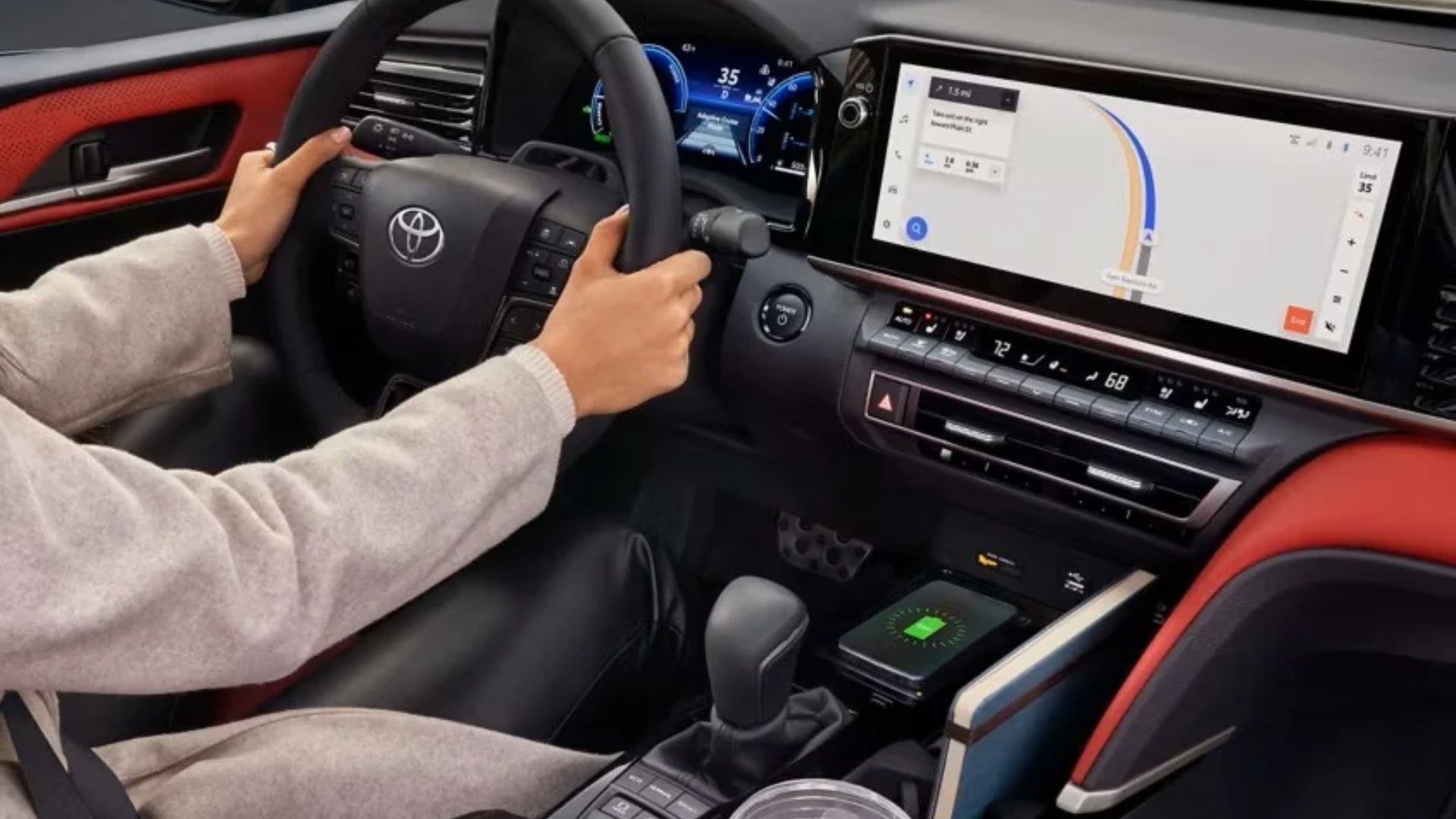
Depending on the Camry trim, available comfort and convenience features can include heated and ventilated front seats, a panoramic glass roof, a premium audio system, a larger touchscreen, wireless smartphone connectivity, and upgraded interior materials. These choices allow you to find a Camry that matches your priorities rather than settling for a one-size-fits-all approach.
The Camry lineup also gives shoppers more styling and driving personalities to explore. An SE or XSE may appeal to drivers seeking a sportier appearance and more engaging feel, while other grades focus on elevated comfort, value, or all-wheel-drive capability. If cargo volume and rear-seat legroom are your single highest priorities, the Accord deserves a close look. If you want a well-equipped hybrid sedan with more drivetrain flexibility, the Camry has the stronger overall advantage.
Which features matter most for Kirkland drivers?
The best sedan buying guide starts with how you will actually use the vehicle. It is easy to compare screens, wheels, and exterior styling, but the most important features are typically the ones that make every drive safer, easier, and more comfortable.
Every Toyota Camry includes Toyota Safety Sense 3.0, a suite of driver-assistance technologies designed to support drivers on the road. Features include a Pre-Collision System with Pedestrian Detection, Full-Speed Range Dynamic Radar Cruise Control, Lane Departure Alert with Steering Assist, Lane Tracing Assist, Road Sign Assist, Automatic High Beams, and Proactive Driving Assist.
The Honda Accord also includes Honda Sensing driver-assistance technology. Both models provide useful support for common driving situations, including highway travel and traffic-heavy commutes. As you compare trims, pay close attention to the specific safety, visibility, parking, audio, climate, and connectivity features included on the exact vehicle you are considering.
For local drivers, we also recommend comparing all-wheel-drive availability, fuel economy, seating comfort, trunk needs, wheel design, and available cold-weather amenities. A heated steering wheel may matter more to one driver than a larger touchscreen. Another shopper may decide that hybrid efficiency or all-wheel-drive confidence should be the priority.
What should shoppers compare before choosing?
The right answer depends on your needs, but a focused test-drive comparison can make the decision easier. Before choosing between the Camry and Accord, consider these questions:
- Do you want hybrid efficiency as standard, or do you prefer the choice of gas and hybrid powertrains?
- Would available all-wheel drive make your daily commute or weekend travel more comfortable?
- How frequently will adults ride in the back seat?
- Which infotainment system and screen layout feels easier for you to use?
- Do you prefer a sportier sedan appearance, a more refined look, or the added visual character of an available Nightshade model?
- Which available safety, comfort, and convenience features will make the biggest difference in your everyday routine?
A side-by-side drive is often more helpful than comparing specifications at home. Sit in both rows, bring your usual passengers if possible, check trunk access, and pay attention to visibility and seat comfort. At Toyota of Kirkland, we take time to help shoppers compare Camry trims clearly and without pressure, drawing on the customer-first local reputation of the O'Brien Auto Group.
Why should you test-drive the Camry in Kirkland?
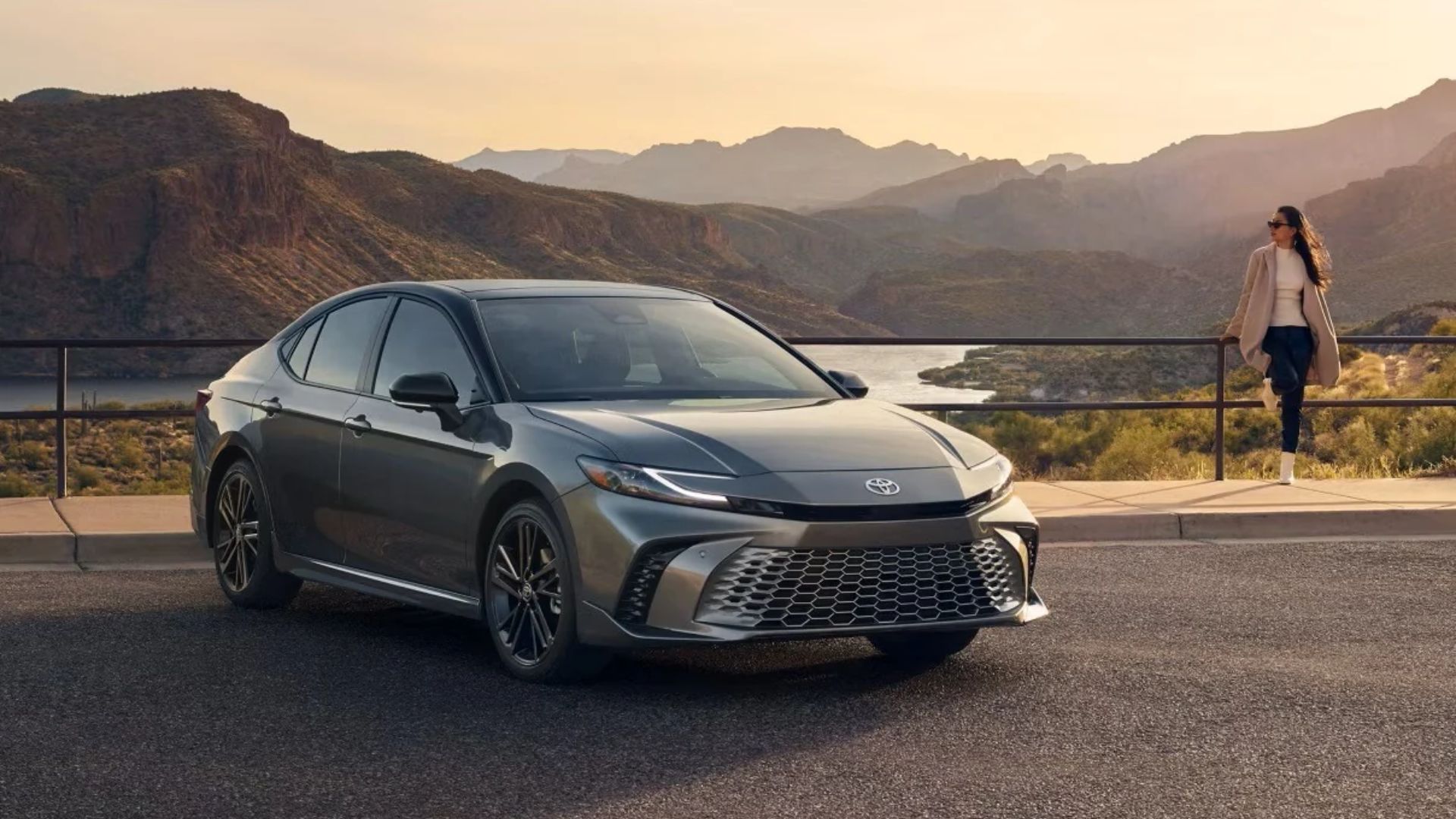
The Camry makes a persuasive case for drivers who want a modern midsize sedan that is efficient, comfortable, safety-focused, and ready for more than sunny-day errands. Standard hybrid performance, available electronic all-wheel drive, a broad range of trim choices, and practical technology all help it stand out in the Camry vs Accord decision.
Visit Toyota of Kirkland, part of the O'Brien Auto Group, to browse our current selection of Toyota Camry models and vehicles in stock. Whether you are coming from Bellevue, Redmond, Bothell, Woodinville, or elsewhere on the Seattle Eastside, we invite you to schedule a Camry test drive and find the sedan that fits your next commute.
*Penned by AI, polished by humans
Categories:
Toyota of Kirkland
