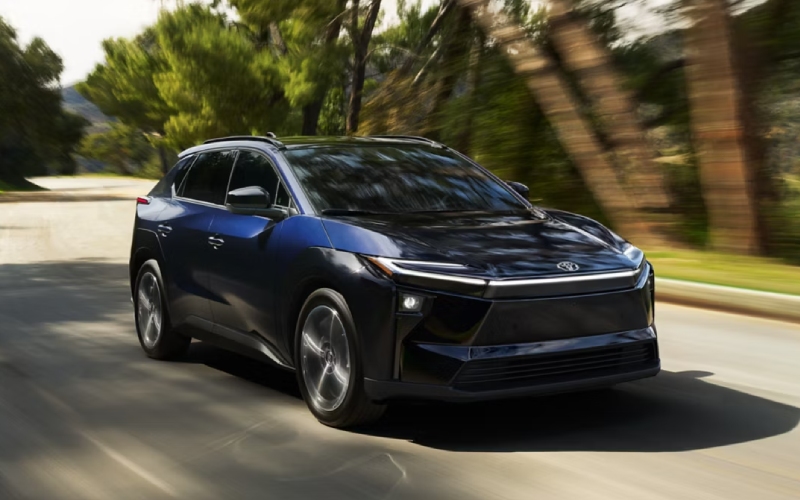
Toyota of Kirkland - Toyota bZ vs. Prius Plug-in Hybrid for Charging, Range, and Commutes near Seattle, WA
Seattle drivers have more electrified Toyota choices than ever, and two of the most practical options take very different approaches: the all-electric Toyota bZ and the Toyota Prius Plug-in Hybrid. If your daily routine includes I-5 traffic, SR-520 crossings, downtown parking garages, Queen Anne hills, or weekend drives toward the Cascades, the right choice often comes down to how you charge, how far you drive, and how much flexibility you want when plans change.
At Toyota of Kirkland, we help shoppers compare electrified models in a way that fits real life, not just spec sheets. Some Seattle drivers want to leave gas stations behind and enjoy the quiet, instant response of a battery-electric vehicle. Others like the idea of driving on electric power for everyday errands while keeping a gas engine for longer trips. Both the Toyota bZ and Prius Plug-in Hybrid support Toyota’s broader electrified lineup, and both can make sense for local drivers depending on home charging access, commute distance, parking setup, and travel habits.
Below, we will break down the key differences between the Toyota bZ and Toyota Prius Plug-in Hybrid for shoppers near Seattle, WA, including range, charging, all-weather confidence, cargo practicality, technology, and ownership fit. If you are deciding between a battery EV and a plug-in hybrid, this guide is built to answer the questions shoppers usually ask before taking the next step.
Battery EV vs. Plug-in Hybrid: What Is the Core Difference?
The Toyota bZ is a battery-electric vehicle, which means it runs entirely on electricity. There is no gas engine, no routine fuel stop, and no tailpipe emissions while driving. It is designed for drivers who are ready to make charging part of their routine, whether that means plugging in at home, using workplace charging, or relying on public Level 2 and DC fast charging around the Seattle area.
The Toyota Prius Plug-in Hybrid is different. It has a larger battery than a traditional hybrid, so it can drive on electric power for many daily trips when charged. Once that electric range is used, it operates like a Toyota hybrid, using a gas engine and electric motor together. For Seattle drivers who want electric commuting but still want familiar refueling flexibility, that combination can be especially appealing.
- Toyota bZ: Best for drivers ready for a fully electric lifestyle with no gasoline use in normal operation.
- Prius Plug-in Hybrid: Best for drivers who want meaningful electric-only driving plus the backup of a gas-hybrid system.
- Charging routine: The bZ depends on charging, while the Prius Plug-in Hybrid can charge when convenient and refuel like a hybrid when needed.
- Long-trip flexibility: The bZ uses charging stops, while the Prius Plug-in Hybrid can continue with gasoline after the battery’s EV range is depleted.
Range and Daily Driving Around Seattle
For many Seattle-area shoppers, the first question is simple: will the vehicle cover daily driving without stress? The Toyota bZ is built for all-electric confidence, with an EPA-estimated range rating of up to 314 miles on select front-wheel-drive models and up to 288 miles on select all-wheel-drive models. That is enough range for many drivers to handle a week of commutes, errands, and local trips before needing a full recharge, depending on mileage and driving conditions.
The Prius Plug-in Hybrid takes a more blended approach. It offers an EPA-estimated all-electric driving range rating of up to 44 miles on select trims, which can cover many Seattle commutes, school drop-offs, grocery runs, and neighborhood errands on electric power when charged. After that, it continues as an efficient hybrid, making it a smart option for drivers who make frequent short trips during the week but occasionally head out toward Portland, Vancouver, Leavenworth, or the Olympic Peninsula without planning charging stops.
If your typical day is Capitol Hill to South Lake Union, Ballard to downtown, or West Seattle to Bellevue, the Prius Plug-in Hybrid’s EV range may handle much of that routine if you can charge regularly. If your goal is to go fully electric for nearly everything, the bZ gives you a larger battery, dedicated EV performance, and the ability to skip gasoline altogether.
Charging: Home, Public Stations, and Seattle Parking Realities
Charging access is often the deciding factor. If you have a dedicated driveway, garage, or assigned parking space where a Level 2 charger can be installed, the Toyota bZ becomes especially easy to live with. Toyota notes that bZ supports Level 1, Level 2, and Level 3 DC fast charging, with DC fast charging from 10% to 80% in around 30 minutes under ideal conditions at a compatible public charging station. It also features North American Charging System compatibility and smart charging features such as charge scheduling and battery preconditioning.
For apartment, condo, or street-parking drivers in Seattle, the Prius Plug-in Hybrid may feel more forgiving. You can still plug in when charging is available at home, work, or a public station, but you are not fully dependent on that charging access. Toyota notes that the Prius Plug-in Hybrid can deliver up to 44 miles of EPA-estimated all-electric driving range on select trims, while also offering hybrid operation when charging is not convenient.
That difference matters in neighborhoods where parking can be tight or charging access varies. If you live in a building with reliable charging, the bZ is compelling. If you regularly park on the street or split time between charging and traditional refueling, the Prius Plug-in Hybrid gives you more backup flexibility.
Performance and Driving Feel
The Toyota bZ delivers the smooth, immediate response that many shoppers love about EVs. Toyota lists up to 338 total system horsepower on all-wheel-drive bZ models, along with available AWD with X-MODE. Electric motors provide quick torque, which can make merging onto I-90, climbing steep neighborhood streets, and navigating stop-and-go traffic feel calm and responsive.
The Prius Plug-in Hybrid is also fun to drive, but in a different way. Toyota lists 220 net combined horsepower and a 0-60 mph time of 6.6 seconds, giving it a lively feel while preserving impressive efficiency. It also offers multiple drive modes and a sleek, low-slung design that helps it feel agile in city traffic and stable on longer highway drives.
If you want the quietest, most EV-focused driving experience, the bZ is the stronger fit. If you want electric driving for daily use with a sporty hybrid backup, the Prius Plug-in Hybrid makes a strong case.
All-Wheel Drive and Confidence for Local Roads
Seattle drivers often ask about traction, not because every day is extreme, but because local roads can include slick hills, shaded pavement, tight turns, and fast-changing conditions. The Toyota bZ offers available all-wheel drive with X-MODE, which is designed to help maximize AWD capability by adjusting braking and power delivery in adverse conditions. That is a valuable feature for drivers who regularly travel across bridges, head toward mountain passes, or simply want extra confidence during wet-weather driving.
The Prius Plug-in Hybrid is designed more around efficiency, style, and flexible electrified commuting. It is a strong fit for urban and suburban pavement, especially for drivers focused on fuel savings and daily EV use. If AWD capability is a must-have in your electrified Toyota, the bZ deserves close attention. If maximum electric-hybrid efficiency and compact maneuverability are higher priorities, the Prius Plug-in Hybrid may be the better match.
Cargo Space, Cabin Tech, and Everyday Usability
The Toyota bZ has the advantage of SUV-like practicality. Toyota notes up to 27.7 cubic feet of cargo capacity behind the rear seats, which is useful for grocery runs, luggage, sports gear, pet supplies, and weekend essentials. The bZ also offers a 14-inch Toyota Audio Multimedia touchscreen, available Advanced Park, available dual Qi wireless chargers, and a cabin layout designed around modern EV driving.
The Prius Plug-in Hybrid is sleeker and more compact, which can be a benefit in dense Seattle parking areas. It offers advanced technology as well, including available Advanced Park, available Traffic Jam Assist on controlled-access freeways with an active Drive Connect trial or subscription, and an available 12.3-inch Toyota Audio Multimedia touchscreen on select trims. It is a great fit for drivers who want a smart, efficient hatchback-style vehicle that is easy to maneuver in tight urban spaces.
- Choose bZ if: You want a fully electric crossover with more cargo versatility and available AWD.
- Choose Prius Plug-in Hybrid if: You want electric commuting capability in a sleek, efficient package with hybrid flexibility.
- Choose bZ if: You have reliable charging access and want to avoid gasoline in daily driving.
- Choose Prius Plug-in Hybrid if: You want charging benefits without depending on charging for every trip.
How Toyota of Kirkland Makes Electrified Shopping Easier
Choosing between the Toyota bZ and Prius Plug-in Hybrid is easier when you can compare your real driving habits with the right features. At Toyota of Kirkland, we offer online shopping tools that let you start from home, explore new Toyota models, begin a trade-in appraisal, and apply for financing online. Our team can also help you think through lease versus finance options, charging access, and which electrified Toyota best fits your daily routine.
We are located at 13210 NE 124th ST in Kirkland, a convenient drive from Seattle via SR-520 or I-405. Whether you are shopping from Green Lake, Beacon Hill, Magnolia, Fremont, or downtown Seattle, our goal is to make the process straightforward. You can begin online and continue in person, or work with our team for guidance at any point along the way.
Frequently Asked Questions:
Is the Toyota bZ better than the Prius Plug-in Hybrid for Seattle drivers?
The bZ is better if you want a fully electric vehicle, have reliable charging access, and prefer crossover utility with available AWD. The Prius Plug-in Hybrid is better if you want electric-only driving for many daily trips but still value the flexibility of a gas-hybrid system for longer travel.
Can I own a Toyota bZ near Seattle without home charging?
It can work if you have dependable access to workplace charging, public Level 2 charging, or DC fast charging, but home charging generally makes EV ownership more convenient. If charging access is inconsistent, the Prius Plug-in Hybrid may be easier to fit into your routine.
How far can the Prius Plug-in Hybrid drive on electric power?
Toyota lists an EPA-estimated all-electric driving range rating of up to 44 miles on select Prius Plug-in Hybrid trims. That can cover many local commutes and errands when the battery is charged.
Does the Toyota bZ offer all-wheel drive?
Yes. The Toyota bZ offers available all-wheel drive with X-MODE, which can help provide added confidence in wet or low-traction conditions around the Seattle area.
Where can I compare electrified Toyota models near Seattle, WA?
You can compare Toyota electrified models with Toyota of Kirkland. We can help you evaluate the bZ, Prius Plug-in Hybrid, RAV4, Camry, Corolla Hybrid, Sienna, and other Toyota options based on your commute, charging setup, cargo needs, and long-term ownership goals.
Request more information
Categories:
Toyota Dealer