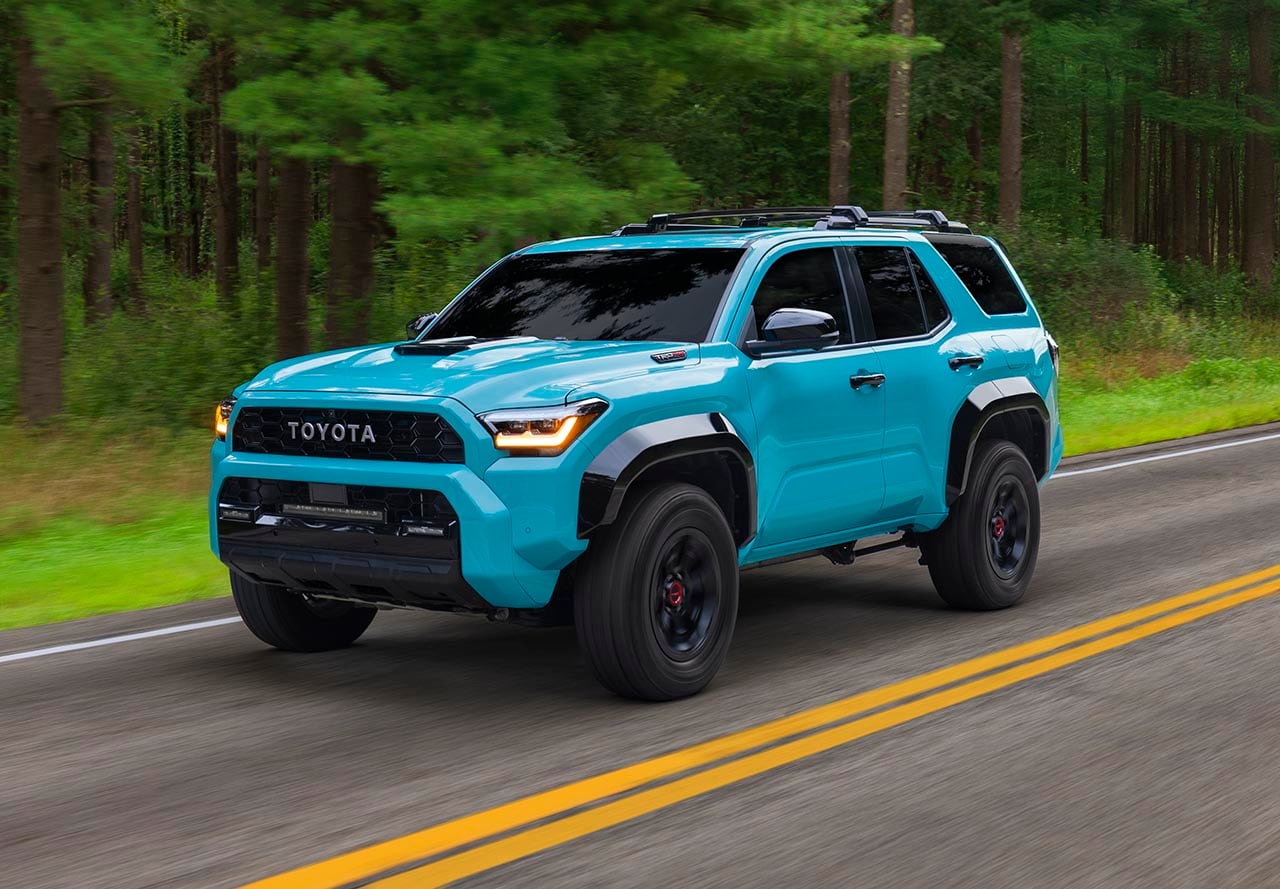
The Toyota 4Runner has long appealed to drivers who want more than a comfortable commute. It is a rugged, body-on-frame SUV built for real utility, weekend plans, changing weather, and the everyday demands that come with life in Kirkland and the greater Eastside. At Toyota of Kirkland, part of O'Brien Auto Group, we know a first drive is only the beginning. The bigger question is what Toyota 4Runner ownership feels like after the novelty wears off and the SUV becomes part of your daily routine.
Key Takeaways
- The Toyota 4Runner combines a commanding driving position, usable interior space, and rugged capability for everyday Pacific Northwest life.
- Two-row models offer substantial Toyota 4Runner cargo space, with up to 90.2 cubic feet available when the rear seats are folded.
- Available three-row seating can accommodate up to seven passengers on select trims, though buyers should consider their usual cargo needs.
- Toyota 4Runner daily driving feels confident and comfortable, but its truck-based construction delivers a different experience from a car-based crossover.
- Choosing the right trim, drivetrain, seating layout, and powertrain is an important part of long-term Toyota 4Runner ownership.
What Is It Like to Own a Toyota 4Runner Every Day?
The best answer is that the 4Runner feels purposeful. It does not try to behave exactly like a compact crossover, and that is part of its appeal. The elevated seating position gives drivers a clear view over traffic, which can make commutes through Bellevue, Redmond, Bothell, Woodinville, and Seattle Eastside corridors feel more relaxed. Getting in and out is easy, visibility is strong, and the SUV has the reassuring presence many drivers want when rain, uneven pavement, mountain trips, or crowded parking lots are part of the weekly routine.
Toyota 4Runner daily driving also means having an SUV that is ready when plans change. One day it may handle school drop-off, grocery runs, and work travel. Next, it can carry camping equipment, skis, trail gear, a dog crate, or luggage for a weekend out of town. The rear power window is a particularly useful feature for bringing in fresh air or loading longer, slimmer items without opening the entire liftgate.
Its capability is not just for distant trailheads, either. For Pacific Northwest drivers, available four-wheel-drive systems can add confidence when conditions become slick or routes lead beyond well-maintained city streets. Drivers who mainly stay on pavement may be well served by a rear-wheel-drive configuration, while shoppers who regularly head toward snow, gravel, boat ramps, or recreation areas may prefer the added traction capability of a four-wheel-drive model.
How Comfortable Is the 4Runner for Regular Driving?
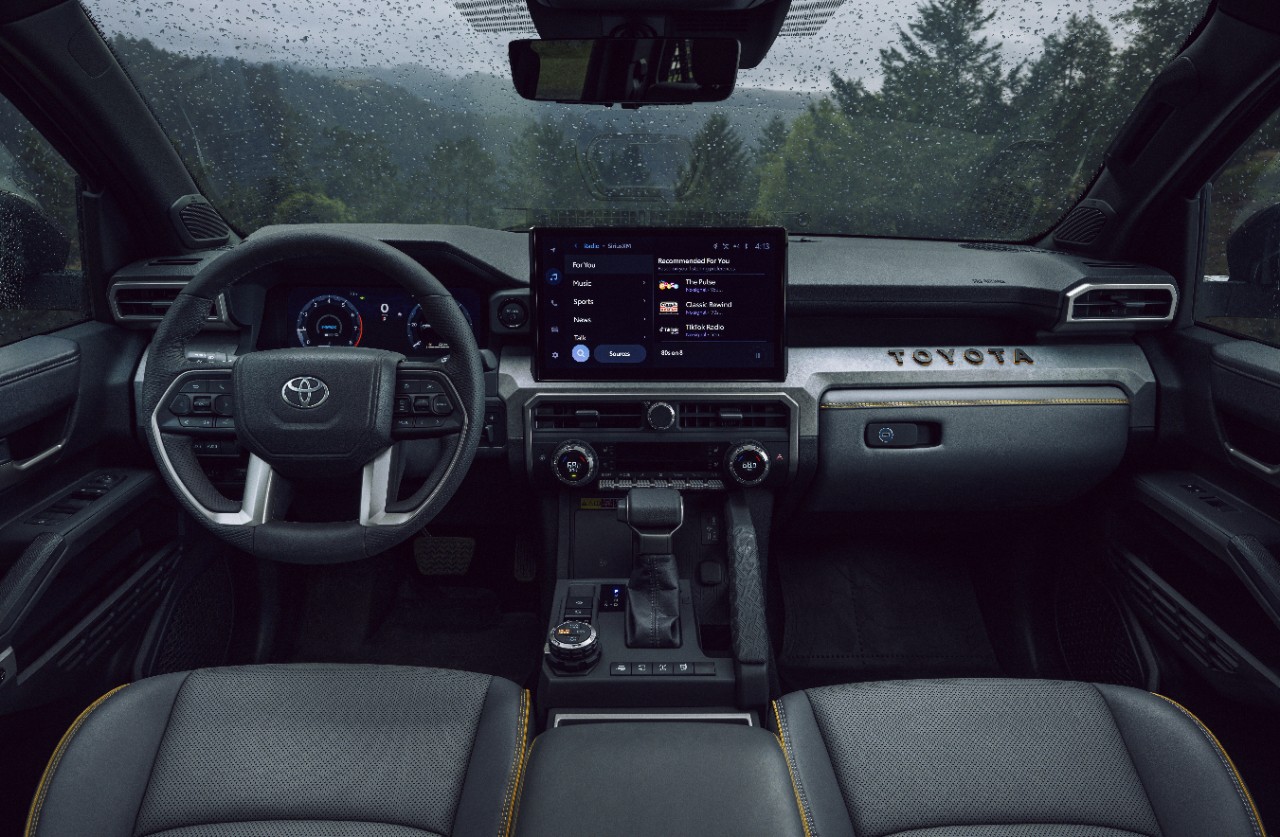
Toyota 4Runner comfort comes from its supportive seating, upright cabin design, useful technology, and room to settle in for longer drives. Current models offer modern connectivity features, including standard wireless Apple CarPlay and Android Auto compatibility, while an available larger touchscreen helps keep navigation, audio, and vehicle information easy to access. Available upscale features vary by trim, so it is worth sitting in more than one model rather than assuming every 4Runner will feel the same.
That said, buyers should understand the character of the vehicle. The 4Runner is body-on-frame, which contributes to its strength and off-road readiness but can create a firmer, more traditional SUV driving feel than a unibody crossover. It is not designed to mimic the ride of a sedan or prioritize sharp, car-like handling. For many owners, that tradeoff is worthwhile because they value durability, ground clearance, towing-minded capability, and a more substantial feel on the road.
The current generation uses a turbocharged four-cylinder engine paired with an eight-speed automatic transmission. Depending on trim, shoppers can also find models with the available i-FORCE MAX hybrid powertrain, which brings added power and torque. Your ideal setup depends on how you plan to use the SUV. We recommend taking a realistic test drive that includes local streets, highway speeds, turns, and parking, not just a quick loop around the block.
Is the Toyota 4Runner Practical for Families and Cargo?
For many households, Toyota 4Runner practicality is one of the strongest ownership advantages. Two-row models seat five and provide 48.4 cubic feet of cargo space behind the second row. Fold the rear seats down, and maximum cargo room reaches up to 90.2 cubic feet. That is meaningful room for bulk-store purchases, home-improvement supplies, camping equipment, sports bags, and travel gear.
Available third-row seating on select SR5 and Limited models raises passenger capacity to seven. It can be helpful for families who occasionally carry extra children, friends, or relatives. However, buyers should think carefully about how frequently they need all three rows. With the third row in use, cargo room behind it is much more limited. A two-row 4Runner may be the better fit for owners who routinely travel with pets, outdoor equipment, or larger loads.
Families should also consider how the vehicle will fit into day-to-day routines. The second row is practical for child seats and passengers, while the wide cargo opening makes loading easier. The 4Runner’s height and substantial dimensions are useful for interior space and road presence, but they can take a little adjustment in older garages, tight urban parking structures, and narrow parking spaces. A test drive at Toyota of Kirkland gives you the chance to evaluate those details in person.
If you are comparing available SUVs in Kirkland, our team can help you look at seating layouts, cargo needs, drivetrain choices, and trim-level equipment side by side. Browsing our current selection and scheduling a test drive can make the decision much clearer than comparing specifications alone.
What Should Buyers Consider Before Ownership?
Long-term Toyota 4Runner ownership starts with matching the vehicle to your actual lifestyle, not just your occasional adventure plans. Consider how many passengers you carry most often, how much cargo space you need, where you drive, and whether your ideal SUV needs available four-wheel-drive capability. A hybrid powertrain can be compelling for drivers who want additional output, while a non-hybrid two-row configuration may be especially appealing for shoppers prioritizing maximum cargo capacity.
You should also budget for the realities of a larger, capable SUV. Fuel use, tires, insurance, maintenance, and accessories can differ from what you would expect with a smaller crossover. The 4Runner rewards buyers who value its strengths, including its practical cabin, rugged architecture, flexible cargo area, and confident all-weather character, rather than those seeking the lowest possible operating costs or the softest ride.
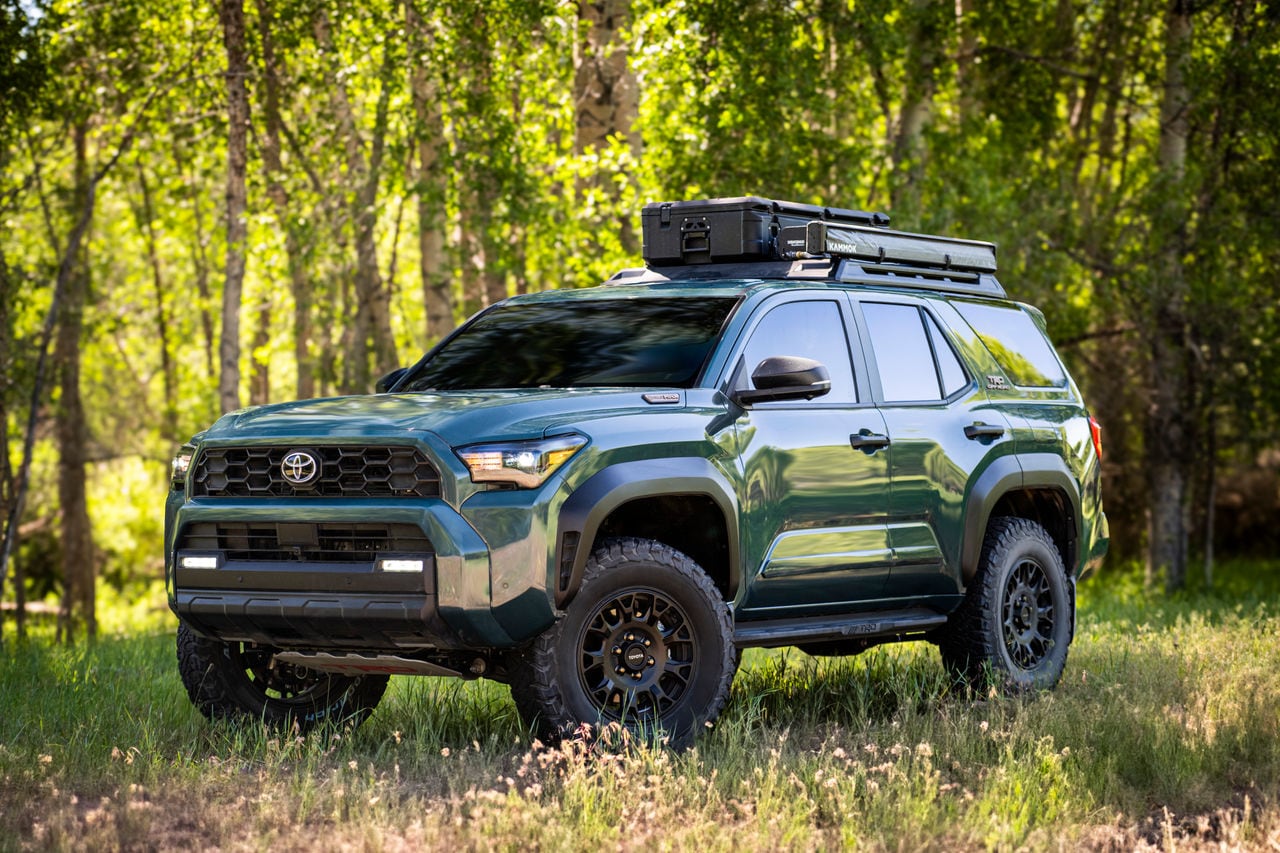
The right trim matters, too. An SR5 can suit buyers looking for versatile everyday transportation. A TRD Sport may appeal to drivers who favor a more street-oriented look and feel. TRD Off-Road models are natural choices for those who expect to use their SUV beyond pavement, while higher trims can add more premium appointments or hybrid performance. We take the time to walk shoppers through these differences because informed ownership begins before the keys change hands.
Is a 4Runner Right for Eastside Drivers?
The Toyota 4Runner is a strong match for drivers who want one vehicle that can cover a lot of ground. It is comfortable enough for regular commuting, capable enough for regional adventures, and spacious enough to handle busy family schedules. Its personality is distinct, and that is exactly why it continues to resonate with buyers who want an SUV that feels ready for more than the standard daily drive.
For Kirkland drivers who want a durable, versatile SUV with a clear sense of purpose, the 4Runner deserves a close look. Visit Toyota of Kirkland, part of O'Brien Auto Group, to explore our current Toyota 4Runner inventory, compare available models on our lot, and schedule a test drive that reflects how you will actually use your next SUV around Kirkland and the Pacific Northwest.
*Penned by AI, polished by humans
Categories:
New Inventory