Which Compact SUV Has Better Driver Assistance and Everyday Tech for Seattle, WA Traffic: 2026 Toyota Corolla Cross or 2026 Subaru Crosstrek?
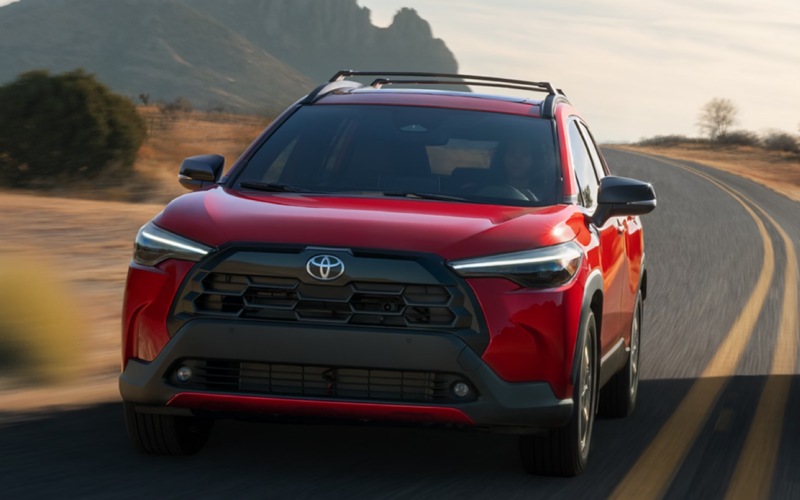
Toyota of Kirkland - Which Compact SUV Has Better Driver Assistance and Everyday Tech for Seattle, WA Traffic: 2026 Toyota Corolla Cross or 2026 Subaru Crosstrek?
When shoppers compare compact SUVs, a common question rises to the top: which model delivers the most useful everyday technology and driver assistance without adding complexity? This is where Toyota’s small crossover shines. The latest Corolla-based SUV brings a cohesive approach to screens, safety, and parking aids that make routine drives calmer and more predictable, especially in stop-and-go traffic and tight garages around Seattle, WA.
Let’s break down what matters. The Toyota setup builds from a strong base—Toyota Safety Sense™ 3.0—where the features work together, not in isolation. Lane Tracing Assist, Full-Speed Range Dynamic Radar Cruise Control, and Road Sign Assist provide a steady assist layer that feels natural once engaged. On the in-cabin side, the available 12.3-inch digital gauge cluster and 10.5-inch Toyota Audio Multimedia touchscreen give crisp visibility to directions, playlists, and system status. Wireless Apple CarPlay® and Android Auto™ make it essentially plug-free. Subarus bring their own strengths with EyeSight® and an available 11.6-inch center display, but the Toyota’s available Front and Rear Parking Assist with Automatic Braking is a standout in crowded lots where front sensors and auto-brake support reduce low-speed surprises.
Seattle commutes mean varying speeds, frequent merges, and sudden slowdowns. The Corolla Cross Hybrid’s smooth, immediate response combines with Electronic On-Demand All-Wheel Drive to help with traction in wet or uneven situations while keeping the feel silky around town. Subaru’s standard mechanical all-wheel drive is a solid performer, particularly on dirt or gravel, yet the Toyota’s e-motor engagement at the rear axle provides quick, precise traction assistance during takeoffs and low-speed turns without any driver input. That is exactly the kind of confidence that helps you ease into a parallel spot on a sloped street or navigate tight condo garages.
The daily parking dance is another major differentiator. Toyota’s available Front and Rear Parking Assist with Automatic Braking acts like an attentive co-pilot at walking speeds, watching corners you cannot always see. Subaru’s Reverse Automatic Braking is helpful for backing out of spaces, but Toyota’s front-and-rear coverage closes the loop on full-perimeter low-speed protection. Add the available power liftgate and standard rear-seat vents, and you get a well-rounded, livable package that quietly eliminates common friction points while keeping passengers comfortable on both short and long trips.
For families juggling school drop-offs, activities, and quick runs across neighborhoods, cabin clarity is underrated. The Toyota’s available 12.3-inch digital gauges deliver glanceable data—navigation prompts, active safety status, and driver-assist visuals—in one elegant panel. And with wireless charging and cloud-connected features available, your phone stays topped off, and your apps stay current. Subaru offers a familiar layout with a vertical center screen and a thoughtful control scheme, but Toyota’s digital cluster and parking aids tend to win over drivers who are frequently hopping between downtown errands and longer weekend drives.
- Driver assistance synergy: Toyota Safety Sense™ 3.0 layers lane centering, active cruise, and sign recognition for natural-feeling support.
- In-cabin clarity: Available 12.3-inch gauges plus a 10.5-inch multimedia touchscreen simplify maps, audio, and alerts.
- Parking confidence: Available Front and Rear Parking Assist with Automatic Braking is a genuine time-saver in dense city lots.
If your search journey involves test-driving both vehicles, here is a quick, structured plan that helps highlight the differences you will care about most in real life.
- Activate adaptive cruise and lane-centering on a familiar highway loop; note how naturally the vehicle maintains distance and lane position.
- Navigate a mixed-speed urban route with two or three parallel parks; evaluate front camera visibility and any low-speed braking interventions.
- Run through your daily phone routine—navigation, podcasts, calls—using wireless Apple CarPlay® or Android Auto™ to gauge clarity and responsiveness.
- Load and unload the cargo area with the liftgate repeatedly; factor in how often a power liftgate would reduce hassle.
Seattle’s layered driving environment rewards clarity and quick, quiet assistance. The Toyota system’s cohesive tuning lets features fade into the background until needed, while the hybrid’s responsive power and on-demand rear-axle assist elevate confidence on slick or uneven patches. Subaru counters with long-proven traction and a comfortable ride, but if your priorities lean toward screen clarity, full-perimeter parking aids, and the smoothest low-speed response, the Toyota is the better fit for everyday Puget Sound driving.
Curious how it all feels behind the wheel? Schedule back-to-back drives and focus on how relaxed you feel at the end of each loop. Most shoppers report that the Toyota’s interface and assist systems reduce mental load—helping them arrive fresher, with fewer surprises in garages or tight curbsides. That kind of day-to-day composure is hard to put on a spec sheet, but easy to appreciate after a week of commuting.
Ready to see how the features work together in real traffic and parking scenarios? Toyota of Kirkland can walk you through a quick demo route and set up the systems to your preferences so you can get the most from the technology on day one.
We are proudly serving Bellevue, Redmond, and Seattle with a knowledgeable team that can answer deeper questions—from hybrid system specifics to safety feature calibration—and help you choose the configuration that makes daily driving more peaceful, predictable, and enjoyable.
Frequently Asked Questions:
Do both vehicles include lane-centering and adaptive cruise that work in stop-and-go traffic?
Yes. Toyota Safety Sense™ 3.0 includes Lane Tracing Assist and Full-Speed Range Dynamic Radar Cruise Control, while Subaru EyeSight® provides lane centering and adaptive cruise. In practice, Toyota’s tuning delivers a particularly calm, predictable feel in congestion.
Is there a front-and-rear automatic braking feature to help with tight city parking?
Toyota offers available Front and Rear Parking Assist with Automatic Braking, which can intervene while moving forward or backward in close quarters. Subaru’s Reverse Automatic Braking is rear-only.
Which infotainment layout is easier to read at a glance?
Toyota’s available 12.3-inch digital gauge cluster plus a 10.5-inch center touchscreen provide a clean, wide-format presentation of directions and system status. Subaru’s vertical 11.6-inch display is large and capable; preference often comes down to whether you value the Toyota’s dedicated digital cluster.
Request more 2026 Toyota Corolla Cross information
Categories:
Toyota Corolla Cross